
Dear Friends:
I hope that you are healthy and safe and are finding some time to reflect, recharge and enjoy time outdoors with family and friends.
Our team at the Cardozo Law Institute in Holocaust and Human Rights (CLIHHR) has been working diligently toward protecting human rights at home and globally in the service of genocide and mass atrocity prevention. As I write this letter, our country is experiencing ever-increasing racist attacks motivated by white supremacist vitriol. At the same time, fundamental rights to comprehensive health care are at risk with the possible overturning of Roe v. Wade in the coming weeks. Despite these increasing risks at home, we have also had some victories, especially related to partners seeking legal protections to reduce statelessness and to secure justice and accountability for genocide and enslavement crimes.
We also have continued to raise awareness where atrocity risks are high and increasing. For example, we have led panel events to bring awareness of ongoing and new human rights crises, including the alarming numbers of Missing and Murdered Indigenous Persons (MMIP) here in the United States as well as the conflict in Ukraine and the humanitarian crisis in Afghanistan.
We have completed and will soon launch another teaching guide as part of our Confronting Structural Violence project to give law professors new tools incorporating human rights and critical law lenses in their courses. Our newest guide critically examines the “reasonable person standard” in criminal law to lay bare the discrimination it can perpetuate in and through the law.
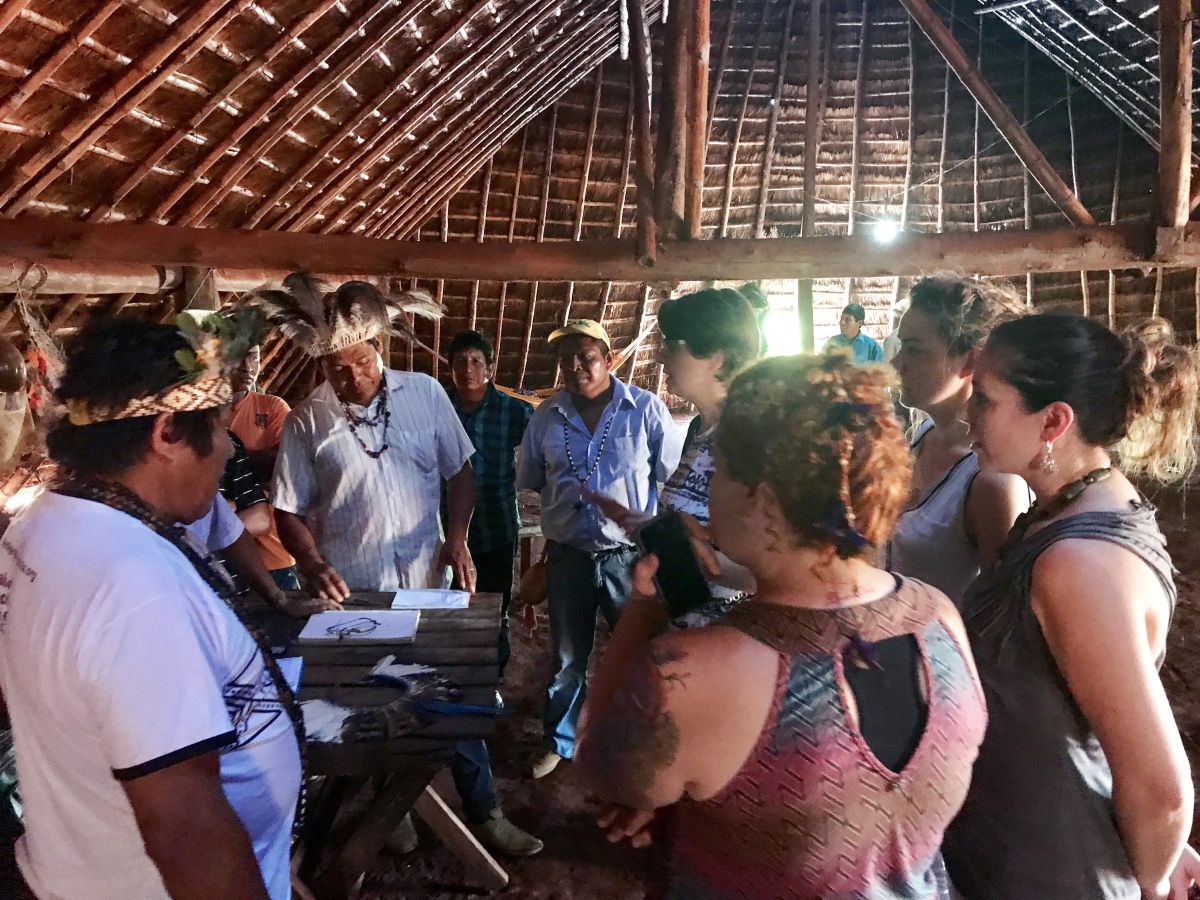
CLIHHR faculty have been busy publishing cutting-edge scholarship and advocating in international and domestic forums toward human rights and atrocity prevention goals. Our work with our partners in support of the Prosecutor v. Ongwen appeal has opened the doors to intersectional discussions on issues of discriminatory application of international criminal law. We have also been consulting with the United Nations on a long-overdue treaty to regulate private military and security contractors. Meanwhile, we continue to sound early warning alarms to prevent and mitigate immediate atrocity risks and catastrophic climate disaster in Indigenous communities in the Brazilian Amazon and Cerrado regions as a result of government failures to protect their rights to consultation and consent to extractive projects and other harms on their lands.
As we continue to build and expand our program to prevent atrocities, protect populations, and restore rights through justice and accountability, please take a moment to invest in human rights and support our critical work. As the semester comes to an end and the summer months begin, we hope that you will find a way to include a gift to CLIHHR to help our vision become reality. A gift of any amount helps ensure that we can continue to protect human rights, prevent atrocity crimes, and ensure justice and accountability in the wake of atrocity crimes. At the same time, we are training the next generation of lawyers to carry on this critical work.
In solidarity,
Jocelyn Getgen Kestenbaum
Associate Professor of Clinical Law
Director, Benjamin B. Ferencz Human Rights and Atrocity Prevention Clinic
Faculty Director, Cardozo Law Institute in Holocaust and Human Rights